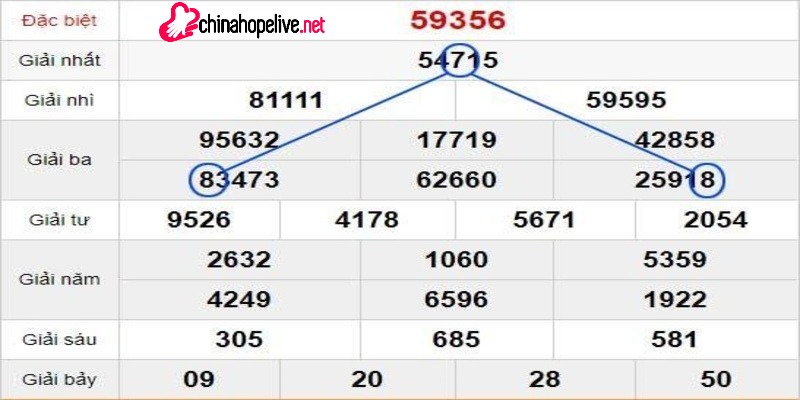
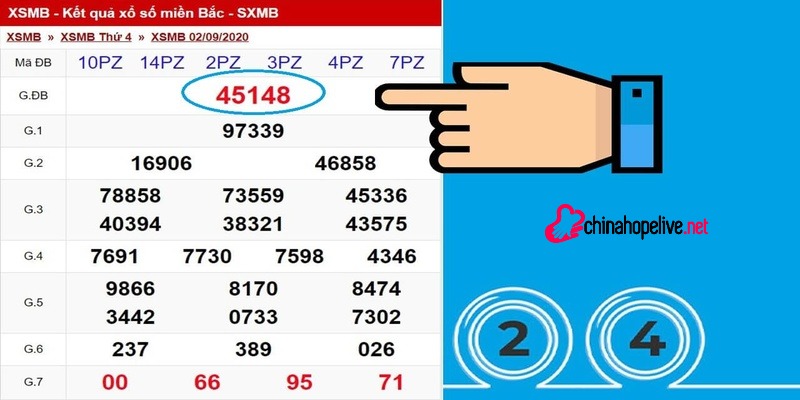
Lô kép câm hôm sau đánh con gì là câu hỏi luôn thu hút được nhiều sự quan tâm của người chơi. Một trong những bí kíp mà rất nhiều cao thủ sử dụng hiện nay chính là dựa theo lô câm để tìm ra con số đẹp nhất. Nếu các bạn đang quan tâm đến vấn đề này thì hãy tham khảo ngay bài viết của New88 dưới đây.
Tìm hiểu sơ qua về lô kép câm
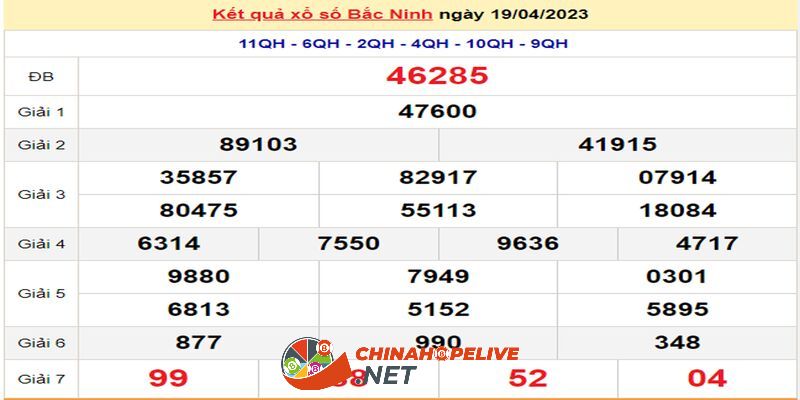
Trước khi giới thiệu về Lô kép câm hôm sau đánh con gì dễ trúng thì các bạn phải hiểu về khái niệm lô kép câm. Theo đó, trong lô đề, thuật ngữ “lô kép câm” thường được sử dụng để chỉ một cặp số lô kép không có mặt ở trong bảng kết quả xổ số ngày hôm đó. Bên cạnh đó, các số trong cặp này có thể xuất hiện ở bất kỳ vị trí nào trong lô đề, không cần phải liền kề hoặc theo một quy tắc nào đó.
Ví dụ, nếu lô đề có các con số từ 00 đến 99, thì lô kép câm có thể là một cặp số như 28 và 82, hoặc 47 và 74. Trong trường hợp này, không quan trọng số nào đứng trước hay sau, chỉ cần cả hai số xuất hiện là được.
Lô kép câm hôm sau đánh con gì là một dạng cược phổ biến trong lô đề, và người chơi có thể đặt cược vào một hoặc nhiều cặp số như vậy. Nếu một trong những cặp số đó được rút thăm trong kết quả của lô đề, người chơi sẽ nhận được mức thưởng tương ứng.

Giới thiệu một số loại lô kép câm phổ biến hiện nay
Trước khi tìm hiểu về Lô kép câm hôm sau đánh con gì thì các bạn nên nắm được một số loại lô kép câm phổ biến. Cụ thể gồm kép lệch, kép âm dương, kép bằng, kép sát. Mỗi loại sẽ như sau:
Kép bằng
Kép bằng trong lô kép câm là bộ số phổ biến khi đánh lô đề online. Những lô giống nhau đều được gọi là kép bằng. Có tổng cộng 10 con lô kép bằng gồm 00, 11, 22, 33, 44, 55, 66, 77, 88, 99.
Kép âm dương
Kép âm dương chính là bộ đề được phát triển dựa trên bóng âm. Một số con số được xem là bóng âm của nhau như 4 và 1 hay 0 và 7…
Kép lệch
Đây chính là bộ số được hình thành dựa trên kép bằng và bóng dương. Theo nguyên lý trong lô đề online thì kép lệch là những số bóng của kép bằng. Dễ hiểu hơn thì kép lệch chính là 10 con số trong đó 2 chữ số là bóng của nhau gồm: 05,50, 16,61,72,27,83,38, 49,94.
Kép sát
Đây là tổ hợp khác đặc biệt trong cách chơi lô đề online. Nó sẽ bao gồm các con số liền dưới hoặc liền trên đối với số kẹp. Loại lô kép này được chia nhỏ thành 2 hình thức như sau:
Dàn đề sát kép lệch gồm các số: 04, 06, 49, 51, 15, 17, 60, 62, 26, 28, 71, 73, 37, 39, 82, 84, 48, 50, 93, 95.
Dàn đề kép bằng gồm các số: 01, 10, 12, 21, 23, 32, 34, 43, 54, 45, 65, 56, 67, 76, 78, 87, 89, 98.

Cách bắt lô kép câm hôm sau đánh con gì dễ trúng nhất từ các cao thủ
Khi soi cầu cần phải có một số phương pháp bắt chính xác thì mới có thể trúng lớn. Do đó, để soi cầu Lô kép câm hôm sau đánh con gì hiệu quả thì các bạn có thể tham khảo một số chia sẻ từ chuyên gia dưới đây:
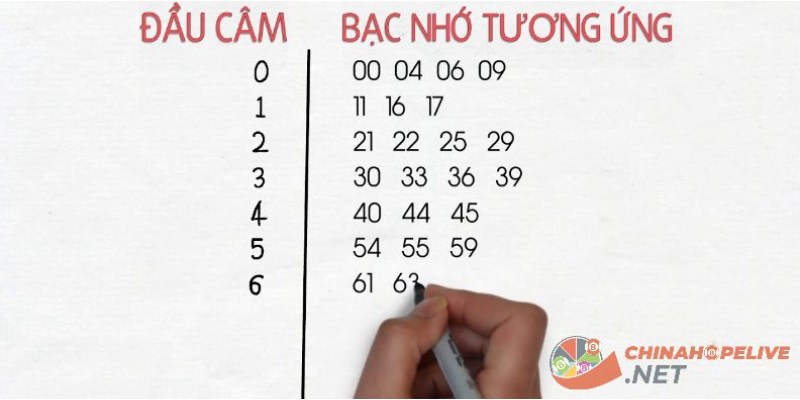
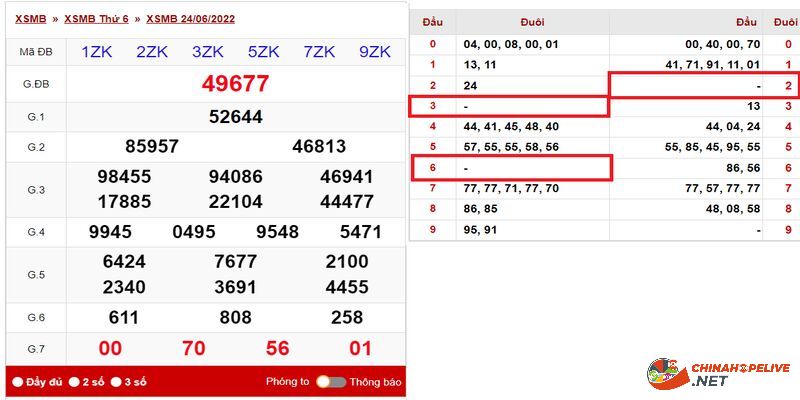
Dự đoán Lô kép câm hôm sau đánh con gì bằng đầu và đuôi câm
Đây chính là một trong những phương pháp chính soi cầu Lô kép câm hôm sau đánh con gì được coi là chính xác nhất. Cách này đòi hỏi người chơi bắt buộc phải nghiên cứu thật kỹ càng về kết quả của bảng xổ số hôm đó. Nếu như thấy xuất hiện đầu câm hoặc là đuôi cầm thì người chơi hãy dùng kép bằng và nuôi trong những ngày tiếp theo.
Nếu thấy trong bảng kết quả xổ số có đầu là câm 0 và đuôi câm 5 thì bóng dương của 0 là 5. Do đó, kinh nghiệm của cao thủ chia sẻ rằng bạn nên chọn đánh số 55 và bóng âm là 7 thì sẽ đánh số 77.
Xem thêm: GIẢI MÃ TỔNG 3 CÓ BAO NHIÊU CON VÀ GỢI Ý CÁCH CHƠI
Dùng giải đặc biệt để bắt lô kép câm
Để tìm ra bí kíp bắt Lô kép câm hôm sau đánh con gì thì hãy dùng những con số giải đặc biệt. Nếu bạn nắm được các phương pháp thì khả năng trúng sẽ rất cao. Trường hợp kết quả của giải đặc biệt đều xuất hiện đầu và đuôi là kép bằng thì bạn hãy chọn 2 số đầu đuôi để nuôi.
Theo kinh nghiệm chơi lô đề online của các cao thủ thì khả năng trong 3 ngày kế tiếp sẽ rất có thể lô sẽ về.
Dựa theo đầu – đuôi đề để dự đoán lô kép câm hôm sau đánh con gì?
Một trong những phương pháp dễ dàng chiến thắng khi tìm ra câu trả lời lô kép câm hôm sau đánh con gì chính là dựa theo đầu và đuôi đề.
Nếu đầu và đuôi câm đề về con số trùng nhau nghĩa là 1 số sẽ về cho cả 2. Ví dụ ngày hôm nay con số về là 8 ở cả đầu lẫn đuôi thì sẽ bắt ngay lô kép câm cho hôm sau sẽ đánh chính là 88. Hoặc thêm một vài số đi cùng với nó là 44 – 00.

Lời kết
Trên đây là những chia sẻ về phương pháp bắt lô kép câm hôm sau đánh con gì. Hy vọng qua bài viết của trang chinahopelive.net các bạn sẽ có thêm kiến thức để soi lô đề dễ trúng nhất.